

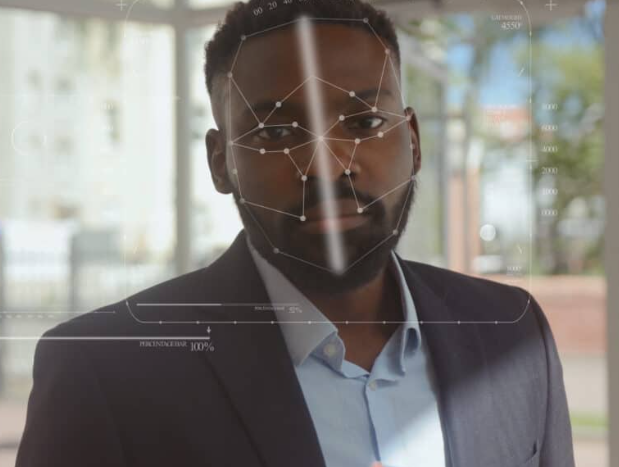
Several of this week’s top stories on Biometric Update reflect that shift. As face biometrics spreads into more systems and products, it is creating new commercial opportunities while raising new questions about surveillance, privacy and accountability.
Face biometrics software can add investigative capabilities, secure access points and enable whole new applications wherever there is a camera and compute. As integration becomes easier, face biometrics is moving from a standalone technology into the infrastructure of retail, identity, immigration, wearables and everyday devices.
Facial recognition becomes infrastructure
America’s USCIS is planning to spend over $100 million to acquire “Immigration Biometrics and Identity Services.” The plan describes a significant IT infrastructure project that will combine yet-unannounced tools to help with entity resolution, in line with DHS’ “person-centric” model for immigration records.
Asda is not launching facial recognition for its production rollout of retail crime intelligence software from Auror across London. But the company did recently introduce the capability in the UK, and it can be used for biometric suspect identification, which continues to cause controversy with another mishap — that apparently did not involve the technology — at a competing store.
Facial recognition becomes ambient
What exactly ICE’s Homeland Security Investigations needed Clearview AI’s facial recognition for has been revealed in court documents. The agency used the technology as part of intelligence-gathering on groups organizing or discussing protests in Minnesota.
Petitioners are going to the Supreme Court of India to challenge the use of facial recognition by police at protests. Police in Delhi used smart glasses with facial recognition software, and petitioners associated with the Cockroach Janta Party say it was unconstitutional “indiscriminate biometric surveillance.”
Meta’s newly published patent for AI assistants on its smart glasses includes facial recognition as well as potential restrictions to protect privacy. But the company just removed most of the components for a facial recognition system from the Meta AI companion app and is currently losing a race between normalization and stigmatization.
Biometric surveillance by law enforcement is a regulated issue, but as a feature integrated with domestic items like doorbells it is not, Fraser Sampson points out in his column. That leaves a gap through which the normalization of covert, always-on surveillance of public spaces is creeping.
In Canada, a Genetec ALPR camera was installed and almost immediately removed by Montreal police under a wave of public scrutiny and comparisons to the Flock cameras used in the U.S. Genetec tells Biometric Update that it builds privacy considerations into its technology, and does not use facial recognition or sell data.
The use of Amazon Rekognition by St. Louis Police in a case leading to a false arrest lawsuit may or may not have violated AWS’ terms of service. The company tells Biometric Update by email it doesn’t have all the details of how it’s technology was used in this particular instance, yet.
Competition and commercialization
While facial recognition continues to attract scrutiny as it spreads into surveillance, retail and consumer devices, the commercial momentum this week came from the verification side of the market.
Netherlands-based 20face has raised capital for commercialization and market expansion with its facial recognition software and SDK. The University of Twente spin-off has already established a foothold in the biometric physical access control market with its privacy-by-design approach based on user-controlled data management.
Brazil’s 376M face biometric database
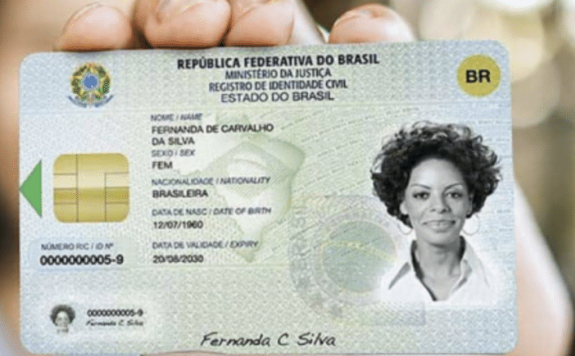
The week’s most consequential development may have come from Brazil. Serpro’s biometric database has grown to 376 million face biometric records as the country shifts from fragmented identity systems toward sovereign national identity infrastructure, combining reusable biometric services, continuous authentication and government-controlled cloud infrastructure.
Please let us know if you see any analyses, podcasts or other content you think we should share with the people in biometrics and the digital identity community, either in the comments below or through social media.

Leave feedback about this